Move-Out Carpet Cleaning in Ottawa: What Tenants and Landlords Need to Know
Moving out of a rental in Ottawa usually means dealing with a long list of small jobs: packing, removing furniture, cleaning the kitchen and bathroom, taking photos, returning keys, and making sure the unit is ready for the next occupant.
Carpet is one of the areas that can create questions.
Does it actually need professional cleaning? Is normal carpet wear the tenant’s responsibility? Can a landlord charge a tenant for cleaning? Will professional cleaning remove pet odours or old stains?
The answer depends on the condition of the carpet, the tenancy agreement, and whether the issue is ordinary wear or actual damage.
This guide explains what tenants and landlords should consider before booking move-out carpet cleaning in Ottawa.
Does a Move-Out Carpet Always Need Professional Cleaning?
No.
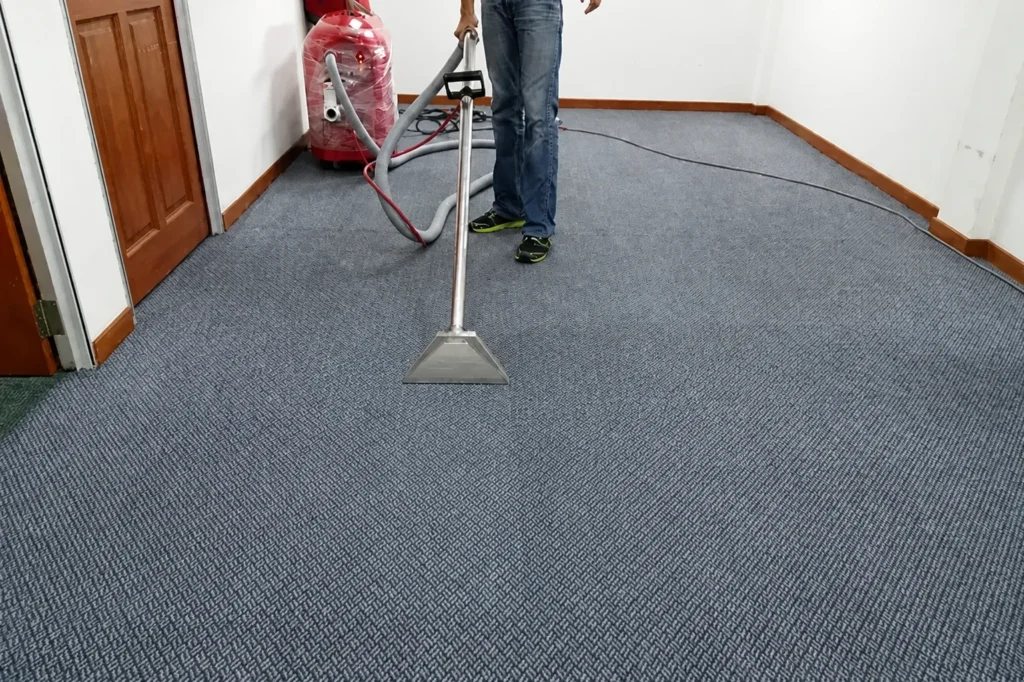
Professional carpet cleaning is useful when the carpet has accumulated enough soil, staining, or odour that normal vacuuming will not bring it back to a reasonable level of cleanliness. It is not automatically required simply because a tenancy is ending.
A quick inspection can help:
Light soil and normal use
If the carpet is reasonably clean, has been vacuumed regularly, and mainly shows normal signs of use, a professional cleaning may not be necessary.
General dirt and traffic lanes
If there are visible dark areas around entrances, hallways, stairs, or frequently used rooms, professional cleaning can often improve the appearance significantly.
Stains
Food, drink, tracked-in dirt, and other stains may respond well to professional cleaning. Results depend on the fibre, the age of the stain, what caused it, and whether previous cleaning products were used.
Pet odour
Pet odour can be more complicated. A surface stain may be treatable, while urine that has reached the carpet backing or underlay may require additional treatment. In severe cases, cleaning the carpet alone may not completely solve the problem.
Burns, tears, and permanent damage
Cleaning does not repair physical damage. Burns, melted fibres, large tears, severe fraying, delamination, and some permanent colour changes may require repair or replacement instead.
That distinction matters. Paying for a deeper cleaning process will not turn damaged carpet into new carpet.
What Ontario Law Says About Rental Carpet
Ontario’s Residential Tenancies Act sets responsibilities for both landlords and tenants.
The Landlord and Tenant Board’s current guide states that tenants must keep their rental unit clean to the standard of ordinary or normal cleanliness. It also says tenants are responsible for repairing or paying for damage caused by the tenant, their guests, or people living in the unit, but not for damage caused by normal wear and tear.
The same guidance gives carpet as an example of normal wear and tear: if carpet has become worn after years of normal use, the tenant would not have to replace it.
That creates an important distinction:
Cleaning and damage are not the same thing.
A carpet can be dirty without being damaged. Likewise, carpet can be physically damaged even if it has been professionally cleaned.
The condition of the carpet, the circumstances of the damage, the tenancy agreement, and the evidence available can all matter in a landlord-tenant dispute.
For that reason, tenants should not assume that professional cleaning automatically eliminates every possible claim, and landlords should not assume that every carpet-cleaning expense can automatically be charged to a tenant.
If there is a dispute about responsibility or money, the Landlord and Tenant Board is the appropriate source for information about the applicable rules and dispute process. The LTB specifically notes that its guide is a summary of the law and is not legal advice.
What About a “Damage Deposit”?
Ontario’s rules are different from jurisdictions where landlords routinely collect a separate damage deposit.
For most residential tenancies, a landlord can collect a rent deposit, but the Landlord and Tenant Board states that the rent deposit can only be used for the last rental period. It cannot be used for repairing damage to the rental unit.
If a landlord believes a tenant is responsible for damage, there are specific legal processes for pursuing those costs.
So if you are a tenant, do not assume that paying for carpet cleaning is the same thing as paying a “damage deposit.” They are separate issues.
What Tenants Should Do Before Moving Out
If you are responsible for cleaning the rental, start with the basics.
1. Remove everything from the carpet
Furniture and personal belongings can hide stains, pet damage, and heavily soiled areas.
2. Vacuum thoroughly
Vacuuming removes loose dirt and debris before any deeper cleaning takes place.
3. Check your lease
Look for any specific cleaning obligations or instructions that apply to the rental.
4. Inspect the carpet in good lighting
Look for:
- Traffic lanes
- Food and drink stains
- Pet stains or odours
- Ground-in dirt
- Burns
- Tears
- Frayed areas
- Permanent discolouration
5. Take photos
Photograph the condition of the carpet before and after cleaning if the condition of the unit could become relevant later.
6. Tell the cleaner about problem areas
If you know there has been a pet accident, spilled paint, wine, grease, or another difficult stain, mention it before the appointment.
This gives the cleaner a better opportunity to choose the appropriate treatment and avoids unrealistic expectations.
7. Keep your invoice
If you hire a professional cleaner, keep the invoice or receipt with your move-out records.
An invoice does not automatically prove that a tenant was legally required to clean the carpet, but it documents what work was actually performed.
What Landlords Should Check Before Booking Cleaning
For landlords and property managers, the first step should be inspection rather than automatically ordering the deepest available cleaning package.
Check:
- Overall soil level
- Entry and hallway traffic
- Staining
- Pet odour
- Visible pet damage
- Burns or melted fibres
- Tears and fraying
- Areas hidden by furniture
- Carpet condition relative to its age
- Whether cleaning is likely to improve the condition enough for the next occupant
It is also useful to photograph the condition before cleaning.
If the carpet is heavily worn or physically damaged, professional cleaning may improve cleanliness without solving the underlying problem.
That can help determine whether the next step should be cleaning, spot treatment, repair, or replacement.
Which Carpet Cleaning Method Is Appropriate?
Not every carpet requires the same process.
Hot-Water Extraction
Hot-water extraction is commonly marketed to consumers as “steam cleaning.”
The process generally involves applying a cleaning solution, agitating or working it into the carpet as appropriate, and extracting the solution along with suspended soil.
It can be effective for general soil, traffic lanes, and many types of staining.
The main consideration for a move-out appointment is drying time. Drying depends on factors such as carpet construction, how much moisture is used, ventilation, indoor temperature, humidity, and the condition of the carpet and underlay.
A cleaner should be able to explain the expected drying conditions rather than promising an identical drying time for every property.
Low-Moisture Cleaning
Low-moisture methods use significantly less water and can be useful when minimizing drying time is important.
They may be appropriate for certain carpet types and levels of soil, but they are not automatically the best choice for every heavily soiled carpet.
The correct method depends on the carpet and the condition it is in.
“Deep Cleaning” Is Not One Specific Method
The phrase “deep carpet cleaning” is often used as a service description rather than a precise technical process.
When comparing companies, ask what method they actually use, what is included, how stains are treated, and what drying time you should expect.
What If the Carpet Has Pet Odour?
Pet odour is one of the most common reasons people ask for a move-out carpet cleaning.
The important question is how far the contamination has travelled.
If urine or another substance is limited to the carpet surface, cleaning and spot treatment may produce a good result.
If it has penetrated through the carpet and into the backing or underlay, the problem can be more difficult.
In those situations, simply cleaning the visible surface may not eliminate the odour completely.
A reputable cleaner should inspect the problem and explain what can reasonably be achieved rather than guaranteeing that every pet odour will disappear.
For severe contamination, the appropriate solution may involve treatment below the carpet surface or, in some cases, replacement of affected materials.
When Carpet Cleaning Isn’t the Answer
Professional cleaning has limits.
Cleaning may not correct:
- Burns
- Melted carpet fibres
- Large tears
- Severe fraying
- Permanent dye or colour changes
- Extensive fibre wear
- Delamination
- Serious moisture damage
- Carpet that has deteriorated with age
- Contamination that has substantially affected the underlay or subfloor
For example, a dark traffic lane caused by accumulated soil may respond well to cleaning.
A bald or permanently worn traffic lane will not become new again simply because it has been cleaned.
That distinction is important when deciding whether to spend money on cleaning.
When Should You Have the Carpet Cleaned?
Timing matters during a move.
A practical sequence is:
Before moving furniture out
Inspect the carpet and identify problem areas.
After the unit is mostly empty
Vacuum thoroughly and remove remaining belongings.
Before the final inspection or handover
Have professional cleaning completed if it is actually needed.
Allow enough drying time
Do not schedule cleaning so close to the next occupant’s arrival that the carpet is still damp when the unit needs to be occupied.
The exact drying period varies, so ask the cleaner about expected drying conditions when you book.
For landlords, the ideal timing also depends on when keys are returned, when contractors can access the property, and when the next tenant is scheduled to move in.
Ottawa Move-Out Scheduling Considerations
Ottawa rentals can involve more than simply unlocking the front door and starting work.
If the property is in a condominium or apartment building, check whether the building requires:
- Elevator reservations
- Move-out bookings
- Contractor registration
- Loading-area access
- Parking arrangements
- Key or fob access
- Specific service hours
These details can affect when a carpet cleaner can actually enter the property.
For winter move-outs, indoor temperature and ventilation can also affect drying. During warmer months, humidity and ventilation can still influence drying conditions.
The simplest approach is to give the cleaner the actual property details when requesting a quote instead of assuming every Ottawa rental can be handled under the same schedule.
What to Give the Carpet Cleaner When Requesting a Quote
A useful quote request should include more than “How much to clean a carpet?”
Provide:
- Ottawa neighbourhood or general area
- Number of carpeted rooms
- Approximate carpeted square footage, if known
- Stairs, if applicable
- Carpet type, if known
- Number and severity of stains
- Pet ownership or pet accidents
- Odour concerns
- Whether the property is empty
- Preferred cleaning date
- Any building access restrictions
Photos can also help when a cleaner offers photo-based estimates.
This gives the company enough information to determine whether a standard cleaning is appropriate or whether additional treatment may be required.
How Much Does Move-Out Carpet Cleaning Cost in Ottawa?
There is no single price for move-out carpet cleaning.
The cost can depend on:
- Number of rooms
- Carpeted area
- Stairs
- Soil level
- Number of stains
- Pet treatment
- Odour treatment
- Furniture that needs to be moved
- Accessibility
- Cleaning method
- Additional treatments
Be cautious with unusually low quotes that do not clearly explain what is included.
Two companies can quote different prices for what sounds like the same job while providing different levels of service.
Before booking, ask:
What exactly is included in the quoted price?
That question is usually more useful than comparing the headline number alone.
For a current estimate based on the size and condition of your carpet, use the company’s carpet cleaning cost calculator or request a quote.
Move-Out Carpet Cleaning Checklist for Tenants
Before handing over the rental:
- Remove all personal belongings
- Vacuum the carpet
- Check for stains
- Check for pet odours
- Photograph the carpet’s condition
- Review your lease
- Arrange professional cleaning if needed
- Ask about drying time
- Keep the cleaning invoice
- Take final photos after cleaning
The goal is not necessarily to make old carpet look brand new.
The goal is to leave the rental reasonably clean and document its condition accurately.
Move-Out Carpet Cleaning Checklist for Landlords
Before the next tenant moves in:
- Inspect the carpet
- Photograph its condition
- Separate normal wear from physical damage
- Identify stains and odours
- Check for pet-related problems
- Determine whether cleaning is likely to improve the carpet
- Decide whether repair or replacement is more appropriate
- Schedule cleaning with enough drying time
- Document the work performed
- Keep the cleaning invoice for your property records
A good inspection can prevent unnecessary cleaning expenses and make it easier to identify when the carpet actually needs repair or replacement.
Frequently Asked Questions
Is professional carpet cleaning required when moving out in Ontario?
Not automatically.
Ontario’s Residential Tenancies Act requires tenants to keep their rental unit clean to an ordinary or normal standard. It also distinguishes tenant-caused damage from normal wear and tear. Whether professional cleaning is appropriate depends on the actual condition of the unit and the circumstances of the tenancy.
Can a landlord make a tenant pay for carpet cleaning?
Responsibility depends on the circumstances.
A tenant is responsible for ordinary cleanliness and for damage they, their guests, or other occupants cause, but not for normal wear and tear. The LTB’s guidance specifically uses worn carpet from years of normal use as an example of wear and tear.
If there is a disagreement about responsibility or costs, the specific facts and available evidence matter.
Does professional carpet cleaning remove all stains?
No.
Many stains can be improved substantially, but results vary based on the stain, carpet fibre, age of the stain, previous treatments, and how deeply the substance has penetrated.
Can carpet cleaning remove pet urine odour?
Sometimes.
Surface contamination may respond well to cleaning and treatment. More serious contamination involving the carpet backing or underlay can require additional work, and complete odour removal cannot be guaranteed in every case.
Is steam cleaning the same as hot-water extraction?
The terms are often used interchangeably in consumer carpet-cleaning services, but “hot-water extraction” is the more precise description of the process being discussed here.
How long does carpet take to dry?
There is no universal drying time.
It depends on the cleaning method, amount of moisture used, carpet construction, ventilation, temperature, humidity, and other property conditions. Ask the cleaner for an expected drying window before scheduling the job.
Should I clean the carpet before or after moving furniture?
For the most complete cleaning, the carpet should generally be cleaned after personal belongings and furniture have been removed.
If some furniture must remain, tell the cleaner before booking so they can explain what can and cannot be cleaned around.
Should landlords clean carpets between every tenant?
Not necessarily.
The appropriate approach depends on the condition of the carpet, the property’s turnover requirements, and whether cleaning is needed to bring the carpet to an appropriate level of cleanliness.
An inspection is more useful than automatically assuming every turnover requires the same service.
Final Thoughts
Move-out carpet cleaning is not simply about making carpet look newer.
For tenants, the key questions are whether the carpet is reasonably clean, whether there is tenant-caused damage, and whether professional cleaning is actually necessary.
For landlords, the key questions are whether cleaning will materially improve the carpet, whether the condition is normal wear or damage, and whether cleaning, repair, or replacement makes the most sense.
If professional cleaning is appropriate, schedule it early enough to allow for access and drying time, and give the cleaner accurate information about stains, pets, odours, stairs, and the condition of the property.
A good move-out cleaning should leave you with a cleaner carpet, realistic expectations, and clear documentation of what was done.