Pet Urine and Carpet: When Cleaning Is Enough and When It Isn’t
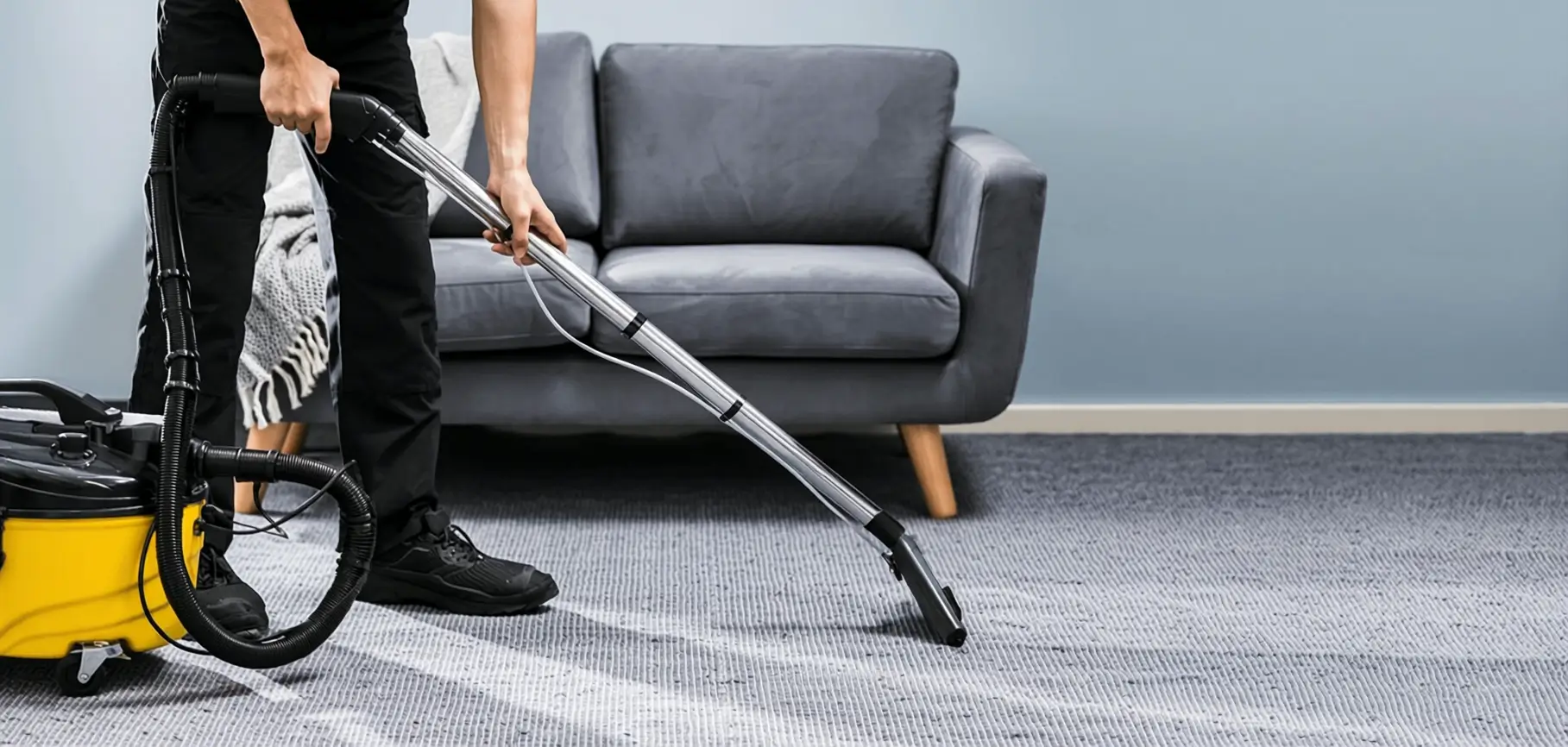
A small, fresh pet accident may only affect the carpet fibres. Repeated accidents, larger amounts of urine, or older contamination can travel through the carpet backing into the underpad and, in more serious cases, the subfloor.
That difference determines what kind of treatment is needed.
The important question is not simply whether the carpet smells. It is where the urine has travelled and which materials have been affected.
A visible stain, strong odour, or UV inspection can provide useful clues, but none of them can confirm contamination depth on its own. The history of the area and the carpet construction matter too.
When Carpet Cleaning May Be Enough
Fresh accidents are generally the easiest to deal with because the urine has had less time to spread.
If you know where the accident happened and respond quickly, blotting and extraction may remove much of the liquid before it reaches deeper layers. A small, recent accident with no history of repeated contamination is more likely to remain near the surface than an area a pet has used repeatedly.
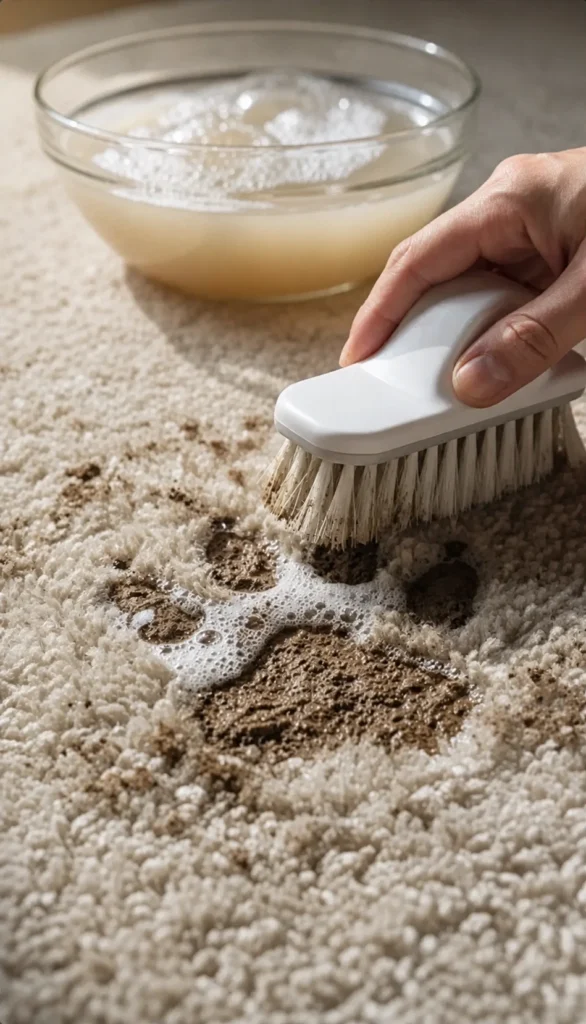
For fresh urine, blot rather than scrub. Scrubbing can spread the liquid and damage the carpet fibres.
Avoid soaking the area unnecessarily. If you use a cleaning product, check the carpet manufacturer’s recommendations and test it first in an inconspicuous area.
Heat also deserves some caution. Applying a household steam cleaner directly to a fresh urine spot may make staining or odour more difficult to correct.
Professional hot-water extraction is different from simply steaming a spot at home. It is a controlled cleaning process and may be appropriate once the affected area and carpet construction have been assessed.
Smell Is a Clue, Not a Depth Test
Odour can tell you there is a problem. It cannot reliably tell you which layer of the flooring is contaminated.
A carpet may smell strongly even when most of the contamination is relatively close to the surface. In other cases, an older problem may seem resolved when the carpet is dry and become noticeable again during periods of higher humidity.
A returning smell does not automatically mean the underpad needs to be replaced.
It may mean urine residue remains in the carpet, backing, underpad, subfloor, or another part of the affected area that was not treated. The source still needs to be identified.
This is also why deodorizing alone should not be confused with urine removal. A deodorizer can change the smell of the room without removing the material causing the odour.
How Professionals Locate Urine Contamination
A visible stain rarely tells the whole story.
Liquid can spread through the carpet and backing beyond the area that is obvious from above, particularly after repeated accidents.
A useful inspection starts with the history of the problem:
- Where did the accidents occur?
- Was the same location used repeatedly?
- How long has the problem been present?
- Has the carpet already been cleaned?
- What products or treatments have been used?
UV lights are also commonly used during pet urine inspections because some urine residues fluoresce under ultraviolet light. This can help identify areas that are difficult to see under normal lighting.
But UV inspection has limitations.
Fluorescence does not prove that untreated urine is still present. Previous cleaning products, other substances, and some carpet materials can also react under UV light.
A glowing area should therefore be treated as evidence worth investigating, not as a final diagnosis.
If the history and inspection suggest that contamination has travelled below the carpet surface, the backing or underpad may need to be checked directly.
Carpet Backing Changes the Diagnosis
Carpet is made of more than the fibres you see.
Below the visible pile is the backing, and its construction can affect how easily liquid reaches the material underneath.
Some carpet systems resist liquid penetration better than others. Repeated accidents can also create problems that a single small accident may not. Over time, urine and moisture can contribute to deterioration in the carpet and its backing.
This is why there is no reliable rule saying every pet accident reaches the underpad.
There is also no reliable rule saying surface cleaning is always enough.
The right treatment depends on the amount of urine, carpet construction, accident history, and the materials actually affected.
When the Underpad Becomes a Concern
The underpad, also called carpet cushion, sits beneath the carpet backing.
Different underpad materials respond differently to moisture. Some absorb liquid readily, while others resist penetration more effectively.
If urine reaches an absorbent underpad, cleaning only the carpet above it may leave part of the contamination behind.
Repeated accidents, large urine deposits, or odour that continues to return after appropriate cleaning are all reasons to investigate whether the problem extends deeper.
They are not proof that the underpad is contaminated.
If contamination is confirmed, replacement is not automatically required either. The appropriate response depends on the material, its condition, the size of the affected area, and whether treatment is practical.
In some cases the affected material may be treatable. In others, replacing part of the underpad is the more sensible option.
The decision should follow the inspection rather than be made in advance.
Urine Below the Carpet System
If urine passes through both the carpet and underpad, it may reach the material underneath, such as wood or concrete.
At that point, surface carpet cleaning cannot address the entire problem.
The carpet may need to be lifted so the underpad and subfloor can be inspected. Depending on what is found, the work may involve accessing the affected area, treating contaminated materials, allowing them to dry properly, and checking the area again before the flooring is put back in place.
Repeated or long-term accidents tend to become more involved for this reason. Each additional affected layer increases the amount of material that may need attention.
Old Pet Urine Can Leave Permanent Damage
Older contamination creates two separate questions:
Is urine residue still present?
Has the carpet itself been permanently changed?
Those are not the same problem.
Urine can affect carpet dyes and fibres over time. Discolouration may remain even after the source of an odour has been successfully treated, and some colour changes may become more obvious as the contamination ages.
That means a carpet can smell clean while still showing a stain.
The opposite can also happen: a visible mark may improve while contamination remains in the backing or underpad.
Stain removal and odour treatment should therefore be considered separately.
A responsible cleaner should also be cautious about promising complete restoration of an older urine stain. If the dye or fibre has already been permanently damaged, removing the contamination will not necessarily restore the carpet to its original appearance.
What to Do After a Fresh Pet Accident
Fast action gives you the best chance of limiting how far fresh urine spreads.
Start by blotting the area with clean absorbent towels. Avoid aggressive scrubbing.
Remove as much liquid as possible. A wet/dry vacuum can also help when appropriate.
If you use a cleaning product:
- Check the carpet manufacturer’s recommendations.
- Test the product in an inconspicuous area first.
- Avoid soaking the carpet.
- Remove cleaning residue properly.
- Be cautious with strong disinfectants, oxidizing products, and other aggressive chemical treatments that may affect carpet dyes or fibres.
Professional assessment is worth considering when the accident is large, the same area has been used repeatedly, the history of the carpet is unknown, or the odour continues to return after cleaning and drying.
Homes, Rentals, and Hidden Pet Accidents
The history of the carpet often determines how easy the problem is to diagnose.
A homeowner may know exactly where a dog had an accident yesterday. A landlord or property manager may be dealing with contamination that happened months or years earlier.
Older accidents can also be hidden behind furniture, along walls, near doors, on stairs, or beneath area rugs.
Area rugs deserve particular attention because liquid can pass through the rug and affect the flooring below. Cleaning the rug does not automatically mean the surface underneath is unaffected.
Rental properties create additional uncertainty because the current occupant may have no reliable information about previous pets or cleaning attempts.
Whether the property is in Kanata, Nepean, Orléans, Barrhaven, Westboro, or elsewhere in Ottawa, the same principle applies: treatment should be based on the materials affected, not the neighbourhood or the strength of the smell.
Why Pet Urine Jobs Vary in Cost
Pet urine treatment cannot be priced accurately from odour alone.
A small recent spot requiring carpet-level cleaning is a different job from repeated contamination involving the backing, underpad, or subfloor.
Cost can depend on:
- the size of the affected area;
- the number of contaminated areas;
- carpet type and condition;
- backing construction;
- underpad material;
- age of the contamination;
- how deeply the urine has travelled;
- whether the carpet needs to be lifted;
- the treatment method required; and
- whether any material needs to be replaced.
Inspection helps determine which level of treatment is justified.
A surface treatment can waste money when contamination is deeper than expected. Replacing underpad unnecessarily can also add cost when the problem is limited to the carpet.
Frequently Asked Questions
Will carpet cleaning remove dog urine smell?
It can when the cleaning process reaches the contaminated material responsible for the odour. If urine remains in the backing, underpad, subfloor, or another untreated area, the smell may return.
How can I tell whether urine reached the underpad?
Smell alone cannot confirm it. The accident history, carpet construction, inspection findings, and, when necessary, direct inspection below the carpet provide better information.
Does contaminated underpad always need replacement?
No. The decision depends on the material, condition, extent of contamination, and whether treatment is practical.
Can old cat urine be removed?
Odour can often be reduced or eliminated when the contaminated material is located and treated. Permanent dye or fibre damage may remain even after the urine residue has been addressed.
Does a UV light prove urine is still present?
No. UV inspection can help locate suspicious areas, but fluorescence can remain after cleaning and can come from substances other than urine. It should be used as an inspection tool rather than treated as proof.
What if urine reached the subfloor?
The carpet and underpad may need to be lifted so the underlying material can be inspected and treated. Cleaning only the carpet surface cannot address contamination located underneath it.
The Bottom Line
Pet urine treatment should be based on where the contamination actually is.
A small, fresh accident may only need prompt carpet-level cleaning. Repeated accidents may justify inspecting the backing and underpad. More extensive contamination may require access to the material below.
Smell, staining, UV inspection, carpet construction, and the history of the area all provide useful information. None of them alone can determine exactly how deeply urine has travelled.
The sensible approach is to identify the affected material first and then use the least invasive treatment that can actually reach it.